
Wedding Seating Chart Tips
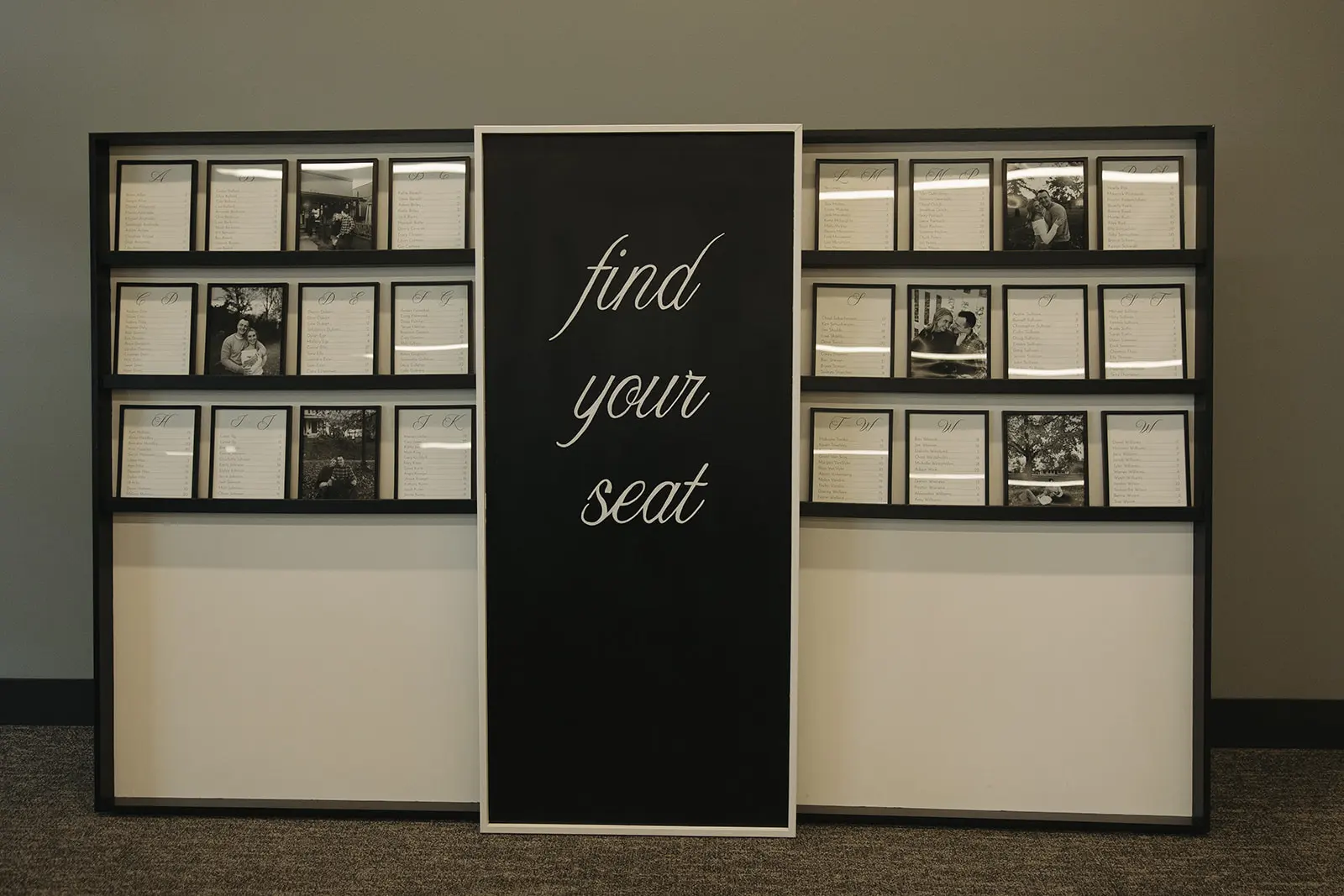
Should You Have Assigned Seating or Open Seating?

Wedding seating charts are all the rage when it comes to wedding inspiration. From elegant acrylic displays to creative escort cards, the design possibilities are endless. But while seating charts can be beautiful, they can also be a lot of work.
If you’re deciding between a wedding seating chart and open seating, you’re not alone. Figuring out where everyone should sit can quickly become one of the biggest headaches of wedding planning. So, how do you know which option is right for you? We’ve put together a few questions, tips, and tricks to help you decide.

Should You Have a Wedding Seating Chart?
Before committing to a seating chart, ask yourself these questions:
• Am I an organized person?
• Will I have enough free time during the two weeks before the wedding to focus on this project?
• Do most of my guests already know each other?
• Do most of my guests get along?
• Am I prepared to make last-minute changes if someone cancels or brings an unexpected guest?
Your answers can help you decide whether a detailed seating chart is worth the effort. Traditionally, seating arrangements can become one of the most stressful parts of wedding planning. There’s pressure to put the right people together, keep certain people apart, and make sure everyone feels comfortable.
And then there’s the wildcard: your guests! Some people take their time RSVPing. Others change their plans at the last minute. Suddenly, you’re rearranging tables, filling empty seats, and trying to figure out where everyone should go.
If that sounds overwhelming, remember that a seating chart isn’t required for every wedding.

Is Open Seating a Better Option?
If creating a detailed wedding seating chart doesn’t sound like your idea of fun, consider open seating instead. One option we recommend at Scott Conference Center is a combination of reserved seating and open seating. Reserve the tables closest to your head table for immediate family. Let those family members know ahead of time which tables are reserved for them.
Then, leave the remaining tables open for your other guests. Friends and family can sit with people they already know or take the opportunity to make a new friend. It’s a simple way to reduce your planning workload while still making sure your closest family members have a place to sit.

Wedding Seating Chart Tips and Tricks
Decided that assigned seating is the way to go? We have a few tips to make the process easier!
1. Use a Spreadsheet to Organize Your Guests
Spreadsheets are your friend! Start by keeping all your RSVPs in one organized place. As responses come in, begin grouping guests based on family connections, friendships, and shared interests.
Talk with your fiancé and families about their ideas for seating arrangements. Getting input early can help prevent disagreements later.

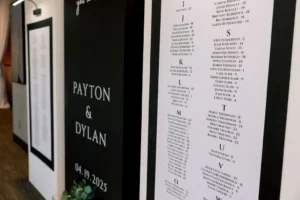
2. List Guests Alphabetically on Your Seating Chart
Planning a wedding with more than 100 guests? Display your seating chart alphabetically by guests’ last names rather than organizing it by table number. Think about it: Guests don’t necessarily know which table they’re assigned to. They’re looking for their own names! When guests have to search through every table assignment, it slows down the process and creates congestion near the entrance. An alphabetical seating chart makes it much easier for everyone to find their assigned table quickly.
3. Know Your Wedding Venue’s Table Sizes
Before assigning seats, find out what types of tables your venue offers and how many guests each table can comfortably accommodate. Are the tables round or rectangular? Can they seat eight or ten guests? Do certain layouts require more space?
At Scott Conference Center, we can help couples explore their room layout options and determine the best table arrangements for their guest count. Knowing these details early will save you from having to rearrange your entire seating chart later.

4. Decide on Your Head Table or Sweetheart Table
Your head table arrangement can affect the rest of your seating chart, so decide on this early. Will you have a traditional head table with your wedding party? Would you prefer a sweetheart table with just the two of you?
If you’re having a wedding party, consider where their dates will sit. Will they join the wedding party at the head table, or will they sit with other guests? There isn’t one right answer. Choose the arrangement that feels most comfortable for you and your wedding party.

5. Plan for Difficult Family Dynamics Early
Let’s be honest: Not every family gets along perfectly. If there are divorces, family disagreements, or other complicated relationships, figure out those seating arrangements early. You don’t want to be making last-minute decisions about where certain guests should sit while you’re trying to enjoy your wedding week. Talk with your fiancé and families about any potential concerns. A little planning now can help prevent uncomfortable situations later.
6. Consider Guests With Mobility or Sensory Needs
A thoughtful seating chart considers more than just who gets along with whom. Keep guests with mobility needs, accessibility considerations, or sensory sensitivities in mind when assigning tables.
For example, some guests may appreciate:
• Seating near an entrance or exit.
• Easy access to restrooms.
• A table with plenty of room for mobility devices.
• Seating farther away from speakers or loud entertainment.
• A location that makes it easier to move around the room.
If you’re unsure what someone needs, ask them ahead of time. A little consideration can make a big difference in their experience.
7. Have a Plan for Unexpected Guests
Even with RSVP deadlines and reminders, unexpected changes happen. Someone may forget to RSVP, bring an additional guest, or have a last-minute change in their plans.
If your space and budget allow, consider planning for a little extra flexibility. An additional table or a few extra chairs can help accommodate changes without requiring a complete seating chart overhaul. Of course, extra seating isn’t a substitute for a final guest count, but having a backup plan can save you some stress!

Make the Seating Plan Work for You
Wedding seating charts can be beautiful statement pieces. They can also be frustrating projects that take hours of planning and rearranging. The most important thing is finding a balance that works for you and your guests.
If you love the idea of a beautifully organized seating chart, go for it! If you’d rather skip the stress and let guests choose their own seats, that’s perfectly fine, too. Don’t feel pressured to create a detailed seating chart just because you saw one on Pinterest. Your wedding should reflect your priorities, not someone else’s inspiration board.
At Scott Conference Center, we’re happy to help couples explore table arrangements and room layouts that make their wedding reception comfortable and welcoming for everyone. Trust your gut. Whether you choose assigned seating, open seating, or a combination of both, make the decision that lets you spend less time worrying about chairs and more time enjoying your wedding day!
Featured Photo by: Sami Photo & Film
